
Fibromyalgia is to be recognised by health professionals in Northern Ireland as a long-term condition.
People who suffer from it complain of aches all over the body, as well as profound fatigue.
Other symptoms include headaches, sleep deprivation and difficulty concentrating.
Despite the severity of symptoms, people living with the condition in NI have said their voices have gone unheard and their symptoms ignored.
Chronic aches
After being inundated with complaints, the Patient and Client Council in Northern Ireland three years ago pressed the case for fibromyalgia to be recognised as a long-term condition.
Having interviewed sufferers and lobbied politicians and health professionals, dedicated services are to be established across the health trusts.
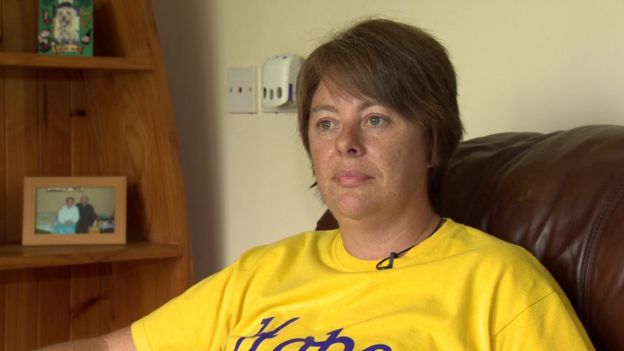
Martina Marks, who lives in County Down, said it was a relief to be taken seriously.
"I have lived with the pain since 1997. At times it can be chronic, with aches in my muscles and joints," she said.
"Often the pain is unbearable and then you have to contend with a sleep disorder, headaches and just not being able to deal with everyday life."
'All about pain'
Fibromyalgia has baffled health experts for decades. It does not show up on blood tests or scans and is often difficult to diagnose.
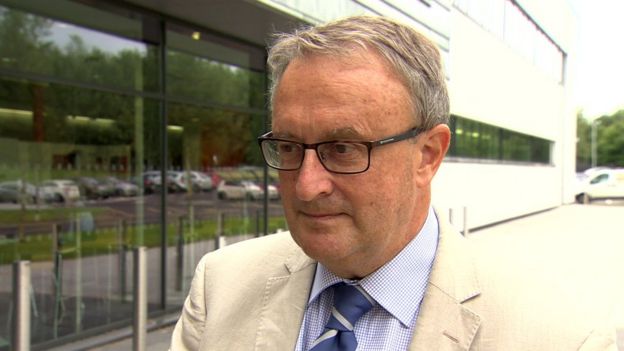
Kevin Davies, a professor of medicine at the University of Sussex and an expert in fibromyalgia, said: "People who present with problems will go for scans and blood tests, but nothing shows up as it is all about pain.
"But that doesn't mean there isn't a problem - it's just the doctor can't make a diagnosis of which he feels secure about."
It is thought about one million people are living with the condition across the UK.
Fibromyalgia is recognised as a condition by NHS Choices in England and Scotland, meaning treatments should be available to patients.
However, in practice the availability of services is patchy as not all health trusts have the resources to target the condition specifically.
While there is no specific figure for Northern Ireland, it is thought around one in 25 may be coping with symptoms - a majority of them undiagnosed.
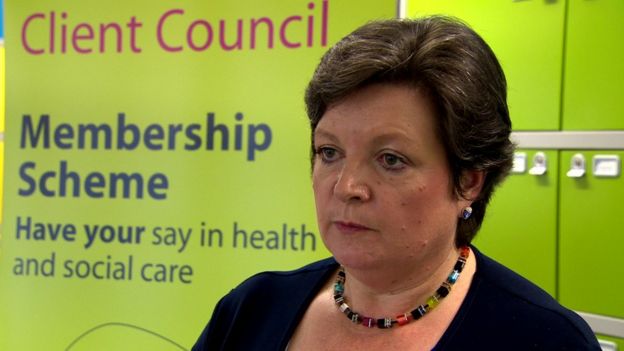
Louise Skelly, director of operations at the Patient and Client Council, said: "What we are surprised about is how many patients have come forward, wanting to share their stories.
"They felt very isolated and very alone and what we also discovered is that the clinicians also have found this a difficult area to work in so they have welcomed the sharing of knowledge and information."
Concerns taken seriously
Its recognition as a condition will raise awareness of it among the public, but also among health professionals.
Once diagnosed, patients will receive a "pathway" that will outline what services are available including medication or advice around exercise and alternative therapies.
According to patients, the biggest breakthrough is having their concerns taken seriously.
Martina Marks was not diagnosed for 10 years.
"It was a very long journey. I hadn't heard of it and neither had my GP," she said.
"It was important that I got a diagnosis, because I'd been going through different treatments, seeing different doctors and nothing was giving me relief.
"Some of them don't understand the illness and I think we need an awareness campaign for the medical profession to understand the variety of symptoms with fibromyalgia and the severity of it."
While there is no cure for the condition, there is evidence that lifestyle changes including relaxation, heat, exercise and diet can make a difference.
Severe cases will be treated with medication.
Source: https://www.bbc.com
Comments
Post a Comment